

Adam's Heart Valve Surgery Blog
Get the latest news, patient advice and insights about heart valve surgery from Adam Pick, patient, author and website founder
Cleveland Clinic Gathers World Leaders to Advance Aortic Disease Care
Written By: Adam Pick, Patient Advocate, Author & Website Founder
Published: September 19, 2026
I just had an extraordinary opportunity to attend the Cleveland Clinic’s Comprehensive, Lifelong, Expeditious (CLE) Care of Aortic Disease Symposium, an important educational conference focused on advancing the diagnosis and treatment of aortic aneurysms, aortic dissections, aortic valve disease, and other complex conditions of the aorta.

Dr. Eric Roselli, Chief of Adult Cardiac Surgery at Cleveland Clinic
Cleveland Clinic brought together leading aortic specialists for this two-day educational conference held September 18–19, 2026. Led by Dr. Eric Roselli, Chief of Adult Cardiac Surgery and Surgical Director of the Aorta Center at Cleveland Clinic, the symposium featured experts from the world’s leading multidisciplinary aorta centers to discuss and debate the latest advances in the diagnosis and treatment of aortic aneurysms, aortic dissections, aortic valve disease, genetics, imaging, surgery, endovascular therapies, and lifelong surveillance.
From Heart Valve Patients to Incredible Friends: Rebecca & Laura’s Story
Written By: Adam Pick, Patient Advocate, Author & Website Founder
Published: September 15, 2026
One of the wonderful things about our community is watching relationships grow far beyond the computer screen. Patients often first meet online during some of the most challenging moments of their lives — searching for answers, preparing for heart valve surgery, and connecting with others who truly understand what they are going through. Then, sometimes years later, those online friendships become real-life reunions. That is exactly what happened for Rebecca Schneider and Laura West, two mitral valve patients whose friendship began more than a decade ago.

Laura West and Rebecca Schneider, Heart Valve Patients
Indiana University Health Joins Our Community!
Written By: Adam Pick, Patient Advocate, Author & Website Founder
Published: August 29, 2026
Great news! I am excited to announce that Indiana University Health (IU Health) has become the newest sponsor of HeartValveSurgery.com!

IU Health is home to one of the highest-volume heart and vascular programs in the United States. Through its unique partnership with the Indiana University School of Medicine, IU Health combines advanced clinical care, groundbreaking research, innovative technology and multidisciplinary expertise to treat patients with heart valve disease and other complex cardiovascular conditions.
Pregnancy With a Mechanical Heart Valve Replacement: Thalia’s Story
Written By: Thalia Foor, Heart Valve Patient
Reviewed By: Adam Pick, Patient Advocate, Author & Website Founder
Published: August 26, 2026
My name is Thalia, also known as Paige, and in May 2026, I gave birth to my third son—all while taking a blood thinner and living with a mechanical heart valve.

100 Patients Reviews: Why Patients Trust Dr. Joanna Chikwe
Written By: Adam Pick, Patient Advocate, Author & Website Founder
Medical Expert: Joanna Chikwe, MD, Cedars-Sinai, Los Angeles, California
Published: August 23, 2026
There are certain milestones at HeartValveSurgery.com that mean much more than a number. Today, I am thrilled to celebrate one of them. Dr. Joanna Chikwe, the Chair of Cardiac Surgery at Cedars-Sinai Medical Center in Los Angeles, California, just received her 100th patient review! In doing so, Dr. Chikwe becomes only the ninth heart surgeon in the history of our community to reach this extraordinary milestone.

Dave’s Heart Valve Journey: From Sternotomy Fear to Robotic Aortic Valve Replacement
Written By: Dave Schept, Heart Valve Patient
Reviewed By: Adam Pick, Patient Advocate, Author & Website Founder
Published: August 15, 2026
Every so often, I receive a message from a patient that reminds me exactly why I started HeartValveSurgery.com nearly 20 years ago. Dave Schept’s letter is one of those messages, and I’m honored to share his journey from living with a bicuspid aortic valve to finding the right surgeon, the right approach, and the confidence to move forward with heart valve surgery.

Dave's Letter to Me...
Dear Adam,
I am writing to you to tell you my story and to thank you because you played a major role in the success of my heart valve surgery journey. I am a 68-year-old man now living in the Palm Springs area. I spent the majority of my life living in the Twin Cities area in Minnesota. I first learned of my bicuspid aortic valve issue at age 17 during my first trip to a doctor without my parents along.
Heart Disease Is Closer Than You Think: Four Neighbors, Four Heart Conditions
Written By: Adam Pick, Patient Advocate, Author & Website Founder
Published: August 8, 2026
Last weekend, I attended a neighborhood party here in Southern California. It was a wonderful afternoon filled with friends, laughter and familiar faces. Yet, as I looked around, I was struck by a sobering realization: Four people from our small neighborhood—including me—have faced life-threatening forms of heart disease.

Heart Valve Surgery Costs: A Patient's Guide
Written By: Adam Pick, Patient Advocate, Author & Website Founder
Published: August 4, 2026
For many patients, one of the biggest surprises about heart valve surgery isn't the operation itself—it's the bill that follows. While most Americans with health insurance won't pay the full cost of aortic valve replacement, mitral valve repair, or another heart valve procedure, many are still responsible for significant out-of-pocket expenses. These costs can include deductibles, coinsurance, copays, prescription medications, cardiac rehabilitation, travel, lodging, and time away from work. Understanding these expenses before surgery can reduce stress and help you make informed financial decisions alongside your medical ones.

Marc’s Story: 47 Remarkable Years With a Mechanical Heart Valve Replacement
Written By: Marc Becker, Heart Valve Patient
Reviewed By: Adam Pick, Patient Advocate, Author & Website Founder
Published: July 11, 2026
This July, I will return to Mount Sinai Hospital in New York for open-heart surgery. It will not be my first time. It will not even be my first time on that particular operating table's lineage — the surgeons, the institution, the history all trace back to a summer nearly half a century ago, when I was fourteen years old and the biggest concern in my life was whether I'd make it to sleepaway camp.

Larry's Guest Post: Heart Valve Surgery, Family Travel & 6,200 Miles of Memories
Written By: Larry Reese, Heart Valve Patient
Reviewed By: Adam Pick, Patient Advocate, Author & Website Founder
Published: July 8, 2026
Heart valve surgery can be a very trying and scary time. Fortunately for most patients, such as those with a bicuspid aortic valve, one will generally have time to plan their surgery. Nevertheless, that extra time itself can add unforeseen complications. This short monograph will share my experiences in the hopes it proves useful to other patients who might be in a similar situation.

75 Webinar Questions Answered By Dr. Johnston and Dr. Asgar
Written By: Adam Pick, Patient Advocate, Author & Website Founder
Published: July 7, 2026
During our recent patient webinar, “Long-Term Heart Valve Success,” Dr. Doug Johnston, Chief of Cardiac Surgery, and Dr. Anita Asgar, Chief of Interventional Cardiology, at Northwestern Medicine, shared important insights about new medical advances, innovative treatment strategies and lifetime planning for people with heart valve disease. The response from our community was extraordinary. You can now download the free eBook or watch the video playback for the "Long-Term Heart Valve Success" webinar at this link.

New! Connect Instantly With Heart Valve Patients!
Written By: Adam Pick, Patient Advocate, Author & Website Founder
Published: July 6, 2026
Great news! In connection with the rollout of HeartValveSurgery.com 6.0, I am excited to announce the launch of a new Instant Messenger designed exclusively to help patients and caregivers connect privately throughout their heart valve journeys.

University of Miami Cardiac and Vascular Joins Our Community!
Written By: Adam Pick, Patient Advocate, Author & Website Founder
Published: June 27, 2026
Great news! I am excited to announce that University of Miami Cardiac and Vascular has become the newest sponsor of HeartValveSurgery.com!
Our Patient Community Just Got Better!
Written By: Adam Pick, Patient Advocate, Author & Website Founder
Published: June 12, 2026
Woo-Hoo!!!
We just launched the sixth generation of the HeartValveSurgery.com platform. As part of this global relaunch, I wanted to make several meaningful improvements to our online Community based on your feedback over the years. That said, here is video that describes the new Community features!

Video available online at:
https://www.youtube.com/watch?v=xCytI2qnuq0
What Are The "Top 8" Community Updates?
As you will see, there are over 20 new updates to the Community. With that in mind, I'm excited to share the "Top 8" updates we've made.
Introducing HeartValveSurgery 6.0: The Next Generation of Patient Education & Empowerment
Written By: Adam Pick, Patient Advocate, Author & Website Founder
Published: June 12, 2026
Hi Everybody!!!
As part of our 20th anniversary celebration, I'm pleased to share that HeartValveSurgery.com has taken a significant step forward in its evolution. This morning, we launched the sixth generation of our platform which we believe is the most advanced set of technologies for patient education, empowerment and connectivity.
Video available online at:
https://www.youtube.com/watch?v=QYZzkt02uD0
Join 999 Heart Valve Patients on Today's Webinar
Written By: Adam Pick, Patient Advocate, Author & Website Founder
Page Last Updated: June 4, 2026
[Update: The patient education webinar, "Long-Term Heart Valve Success", was extraordinary. You can now watch a video replay of the webinar on YouTube at this link. Or, you can watch the video playback below. You can also download our new free eBook, "Long-Term Heart Valve Success", at this link.]
What should you know about success planning for the lifetime management of heart valve disease? How are new medical advances, late-breaking research, and innovative treatment strategies impacting patients today and in the future?
Get answers to these important questions when Dr. Doug Johnston, Chief of Cardiac Surgery, and Dr. Anita Asgar, Chief of Interventional Cardiology, at Northwestern Medicine, join me for a LIVE and FREE patient webinar, "Long-Term Heart Valve Success", today, June 4, at 6pm EST.
Video available online at:
https://www.youtube.com/watch?v=hmkweIzrCn8
MemorialCare Joins Our Community!
Written By: Adam Pick, Patient Advocate, Author & Website Founder
Published: May 13, 2026
We are excited and honored to announce that MemorialCare has joined our community!

"Ask Adam Anything" Gets Amazing Patient Response at AATS!
Written By: Adam Pick, Patient Advocate, Author & Website Founder
Published: May 3, 2026
Dear Patients, Doctors & Friends,
OMG! I am overwhelmed by our community response to the "Ask Adam Anything" event at the 106th Annual Meeting of the American Association for Thoracic Surgery (AATS) in Chicago!

As you might recall… Last week, I posted a request for patient questions about heart valve disease management and treatment. Within minutes, my inbox started to fill-up with fascinating patient questions. Since then, I have received more than 200 questions. To prepare for the all-day video shoot at AATS, I spent Friday night going through the patient questions in preparation for "Ask Me Anything" session at AATS. Fyi, we invited 10 leading heart valve surgeons to join us for this special interactive event.
Clinical Trial Update: The COMMENCE Study 10-Year Durability Results Released at AATS
Medical Expert: Lars Svensson, MD, Cleveland Clinic
Published: May 3, 2026
I just learned from Dr. Lars Svensson, Chief of the Heart, Vascular and Thoracic Institute at the Cleveland Clinic, that the 10-year results of the COMMENCE clinical trial just were shared at the American Association for Thoracic Surgery Conference that is happening right now in Chicago, Illinois. The COMMENCE trial is evaluating a new type of heart valve replacement, the INSPIRIS RESILIA, designed for enhanced durability using bovine tissue treated with an integrity preservation technology to resist calcification.

INSPIRIS RESILIA Tissue Valve Studied in COMMENCE Trial
Ask Heart Valve Experts Your Questions at AATS!
Written By: Adam Pick, Patient Advocate, Author & Website Founder
Published: April 28, 2026
This weekend, I will attend the American Association for Thoracic Surgery (AATS) conference in Chicago. If you didn't know, AATS is one of the most important annual gatherings of heart surgeons that was started in 1917.
At AATS, I am going to film a new "Ask Adam Anything" educational video series for patients. The expert panel of interviewees for this special event are world-renowned heart valve surgeons including Dr. Marc Gillinov (Cleveland Clinic), Dr. Patrick McCarthy (Northwestern Medicine), Dr. Bill Brinkman (Baylor Scott & White), Dr. Juan Pablo Umana (University of Miami), Dr. Eric Roselli (Cleveland Clinic), Dr. Ismail El-Hamamsy (Mount Sinai) and many more.

This is your opportunity to get real answers from leading heart valve surgeons. If you have a question about heart valve disease—whether it's about diagnosis, treatment options, recovery, or long-term care—you can ask it. I'll do my best to get your questions answered directly by one of these leading surgeons.
> Simply email your questions to adam@heartvalvesurgery.com and I'll take it from there.
I look forward to helping you get the answers you need!
Keep on tickin,
Adam
Blog Categories
- Adam's Updates
- Aneurysms
- Aortic Stenosis
- Aortic Valve Repair
- Aortic Valve Replacement
- Atrial Fibrillation
- Before Surgery
- Bicuspid Aortic Valve
- Heart Valve Replacement
- Medical Technology
- Mitral Regurgitation
- Mitral Valve Repair
- Patient Stories
- Pulmonary Valve
- Recovery
- Ross Procedure
- Surgeons & Hospitals
- Tricuspid Valve
Adam's Video Library

Learn about heart valve surgery and patient success stories at Adam's video library.
Surgeon Spotlight

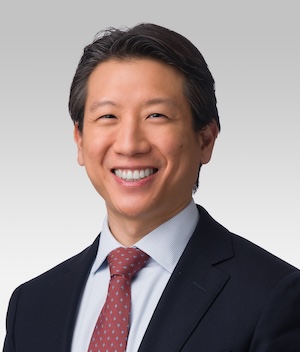
Dr. Chiu is a leading heart valve surgeon that has performed hundreds of heart valve operations that include minimally-invasive techniques.