

Surgeon Q&A: "How Durable Is A Heart Valve Repair Ring?" asks Diane
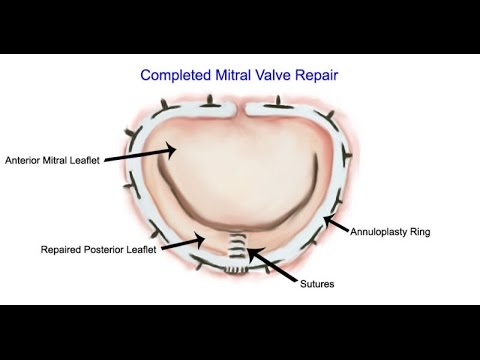
During our recent "Ask Me Anything" video series, I received a great question from Diane McKee. In her email, Diane writes, "I had a mitral valve repair 20 years ago. Is the heart valve repair ring going to last a life span?"
To answer Diane's question about annuoloplasty ring durability, I met with Dr. Steven Bolling, who is the Director of the Mitral Valve Clinic at the University of Michigan in Ann Arbor. Here is Dr. Bolling's response:

Video available online at:
https://www.youtube.com/watch?v=U6YBIVIYMOo
I hope that helped Diane (and perhaps you) learn more about the durability of the annuloplasty rings that are used to repair mitral valves. Thanks to Diane for her question and a special thanks to Dr. Steven Bolling for sharing his clinical experience and research with our patient community.
Keep on tickin!
Adam
P.S. For the hearing impaired members of our community, I posted the transcript of this interview below:
Adam: Hi everybody, it's Adam with heartvalvesurgery.com. We're at the Heart Valve Summit and we're answering your questions that you submitted to Facebook. Today I'm thrilled to be with Dr. Steve Bolling from the University of Michigan. Steve thanks for being here.
Dr. Steve Bolling: Hi Adam. Thanks.
Adam: We're answering Diane McKee's question. She says, I had a mitral valve repair 20 years ago, is the annuloplasty ring going to last a life span?
Dr. Steve Bolling: Diane, that's a good question. It's already lasted a long time and it will probably last you forever. Remember to take your antibiotic when you go to the dentist because your chance of having that breakdown or anything go bad is probably related to some kind of delayed infection, so take your antibiotics. I would say that thing will last a lot longer than you will. You've had a great result. Have a nice, nice long life. You probably will die from something, but not from your mitral valve disease.
Adam: Great. Steve maybe you can tell – Dr. Bolling, maybe you can explain for them what is the ring made of? Why is it so durable inside the heart?
Dr. Steve Bolling: It is made of silicone and some have metal in them but what makes them so durable is all the rings of wrap and cloth called Dacron or some type of porous cloth that the heart actually grows in. Within 30-60 days that becomes part of you. It is you. It is not different. The body doesn't see it as something different, it's just you.
Adam: Dr. Bolling, thanks for all of your incredible help at the University of Michigan. As we always say here, keep on ticking.
Dr. Steve Boling: Thanks, Adam.
Written by Adam Pick
Patient & Website Founder

Written by Adam Pick - Patient & Website Founder
Adam Pick is a heart valve patient and author of The Patient's Guide To Heart Valve Surgery. In 2006, Adam founded HeartValveSurgery.com to educate and empower patients. This award-winning website has helped over 10 million people fight heart valve disease. Adam has been featured by the American Heart Association and Medical News Today.
Comments





Adam's Newest Blogs


New Community Posts
Blog Categories
- Adam's Updates
- Aneurysms
- Aortic Stenosis
- Aortic Valve Repair
- Aortic Valve Replacement
- Atrial Fibrillation
- Before Surgery
- Bicuspid Aortic Valve
- Heart Valve Replacement
- Medical Technology
- Mitral Regurgitation
- Mitral Valve Repair
- Patient Stories
- Pulmonary Valve
- Recovery
- Ross Procedure
- Surgeons & Hospitals
- Tricuspid Valve
Blog Categories
- Adam's Updates
- Aneurysms
- Aortic Stenosis
- Aortic Valve Repair
- Aortic Valve Replacement
- Atrial Fibrillation
- Before Surgery
- Bicuspid Aortic Valve
- Heart Valve Replacement
- Medical Technology
- Mitral Regurgitation
- Mitral Valve Repair
- Patient Stories
- Pulmonary Valve
- Recovery
- Ross Procedure
- Surgeons & Hospitals
- Tricuspid Valve
Blog Categories
- Adam's Updates
- Aneurysms
- Aortic Stenosis
- Aortic Valve Repair
- Aortic Valve Replacement
- Atrial Fibrillation
- Before Surgery
- Bicuspid Aortic Valve
- Heart Valve Replacement
- Medical Technology
- Mitral Regurgitation
- Mitral Valve Repair
- Patient Stories
- Pulmonary Valve
- Recovery
- Ross Procedure
- Surgeons & Hospitals
- Tricuspid Valve

Adam's Video Library

Learn about heart valve surgery and patient success stories at Adam's video library.
New Posts From Our Community


Zackery Peindl from
Pittsburgh
Hello everyone. Im 30 years old from Pittsburgh and on Thursday...
Meet Zackery
Clifford Fava from
Milford, Connecticut
I am having a cardioversion on October 22. Just a little...
Meet CliffordNewest Community Post

Find Heart Valve Surgeons
Search 1,500 patient-recommended surgeons
Adam's Video Library
Learn about heart valve surgery and patient success stories at Adam's video library.
