Can Mitral Valve Disease and Atrial Fibrillation Be Treated Without Open Heart Surgery?
Written By: Allison DeMajistre, BSN, RN, CCRN
Medical Expert: Aakriti Gupta, MD, Interventional Cardiologist, Cedars-Sinai Medical Center, Los Angeles
Reviewed By: Adam Pick, Patient Advocate, Author & Website Founder
Published: February 2, 2026
Up to 35% of patients with mitral regurgitation will develop atrial fibrillation as their valve disease progresses. Unfortunately, atrial fibrillation can add significant risk factors and uncomfortable symptoms for patients. Both cardiac conditions may initially be managed with medications. However, if the diseases progress and an intervention is warranted, several treatment options are available to help patients.
Specific to this topic… We received a patient question from Beverly, who asked, “I have moderate to severe mitral regurgitation and atrial fibrillation. Is it possible to get each disorder treated without an open-heart procedure?” To provide Beverly an expert response, Adam Pick, the patient who founded HeartValveSurgery.com, recently visited Cedars-Sinai Medical Center in Los Angeles. There, he met with Dr. Aakriti Gupta, who is a leading interventional cardiologist specializing in minimally-invasive heart valve therapies using small catheters instead of open-heart surgery.
Key Facts About Treating Mitral Valve Disease and Atrial Fibrillation
Here are the key insights shared by Dr. Gupta:
- Mitral valve disease and atrial fibrillation are two separate problems with a strong connection between them. “I think this is a great question because we are talking about two distinct processes,” said Dr. Gupta. “One is leakage of the mitral valve, where the blood is leaking backwards instead of going forward. The second is a rhythm problem called atrial fibrillation.” Dr. Gupta explained that the two conditions are interconnected because, when a patient has mitral regurgitation, blood leaks into the left atrium, the upper chamber of the heart. Eventually, the leakage causes the left atrium to enlarge and disrupt the heart’s electrical system, which can then lead to atrial fibrillation.
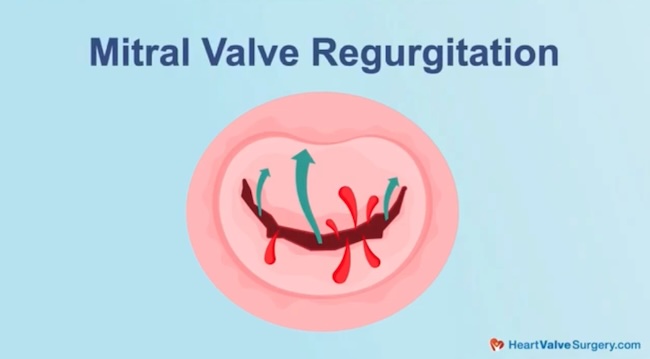
- Open-heart surgery can fix both problems during a single procedure. Dr. Gupta said, “If you went for open-heart surgery, a good surgeon would fix your valve and the areas of the electrical problem at the same time. The surgeon will also often close off the appendage in the left atrium, which often forms a clot. If the appendage isn’t closed, there is a greater risk of having a stroke. So, the surgeon can do all of that in one procedure.”
- Interventional treatment options for mitral valve disease and atrial fibrillation that do not require open-heart surgery. Dr. Gupta said, “First, let’s talk about what we can do about the mitral valve. You may have heard terms like MitraClip or PASCAL, which are transcatheter procedures to repair the mitral valve.” She explained that during the procedure, they insert a catheter into a vein in the groin, advance it into the heart, and place one or two clips to repair the leaky valve. “Most frequently, you will go home the next day,” she said. “The transcatheter mitral valve repair procedure is FDA-approved and has good results in terms of success and long-term durability. Every patient is different, and results can vary depending on individual anatomy and surgical risk.”
- The transcatheter mitral valve replacement option. “We also have transcatheter mitral valve replacement, which is not FDA approved, but is available in research protocols at large institutes like Cedars-Sinai Medical Center. So, we would be able to screen you to see if you qualify for those protocols and offer you that procedure,” said Dr. Gupta.
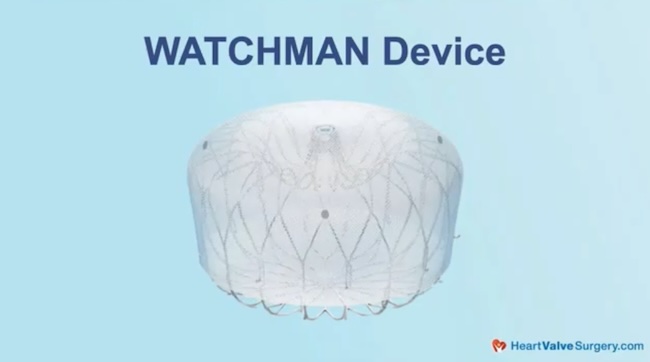
- Transcatheter therapy for atrial fibrillation. Dr. Gupta explained that they can treat the heart tissue causing the rhythm problem with a catheter-based treatment called ablation. “We use either heat or cold to electrically quiet the area that’s causing the problem. We can also close the appendage using a transcatheter option called a Watchman or an Amulet device.”
- What is the timeframe for treatment? “We can do all these procedures without open-heart surgery, but we don’t do them all at the same time,” Dr. Gupta said. “We would fix the valve first since it will make the tissue in the upper chamber of the heart more amenable to cure with ablation. Later, we’ll bring you back to see an electrophysiologist, a rhythm doctor, for the ablation procedure. Then, we will close your appendage.”
- A comprehensive heart team can produce excellent outcomes. “At a place like Cedars-Sinai, we have a heart team composed of an interventional cardiologist, a cardiothoracic surgeon, an electrophysiologist, and an imager who put their minds together to decide the best option for you. We’ll sit with you, give you all the options, and then come to a decision to give you the best outcome.”
Thanks Dr. Gupta and Cedars-Sinai Medical Center!
On behalf of all the patients in our community, thank you, Dr. Aakriti Gupta, for everything you and your team are doing at Cedars-Sinai Medical Center in Los Angeles, California!
Related links:
- See Dr. Aakriti Gupta’s Interactive Surgeon Profile
- Meet the entire team at the Smidt Heart Institute at Cedars-Sinai
- Ask Dr. Gupta: What About TAVR for Aortic Regurgitation?
Keep on tickin,
Adam
P.S. For the deaf and hard-of-hearing members of our patient community, we have provided a written transcript of our interview with Dr. Gupta below.
Written by Adam Pick
- Patient & Website Founder

Video Transcript:
Adam Pick: Hi everybody, it’s Adam with HeartValveSurgery.com. We are at Cedars-Sinai Medical Center in Los Angeles, California. I’m thrilled to be joined by Dr. Aakriti Gupta who is a leading interventional cardiologist that specializes in minimally invasive heart valve therapies which use small catheters instead of open-heart surgery. Dr. Gupta, it is great to see you again and thanks for being with me today.
Dr. Gupta: Thank you, Adam, for having me today.
Adam Pick: We’re answering patient questions. This one comes in from Beverly, specific to your expertise. And she asks, “I have moderate to severe mitral regurgitation and atrial fibrillation. Is it possible to get each disorder treated without an open heart procedure?”
Dr. Gupta: Thank you for that question. I’ll answer Beverly. I think that’s a great question because we are talking about two distinct processes. One is leakage of the mitral valve – where the blood is leaking backward instead of going forward. And the second is a rhythm problem called atrial fibrillation.
Now, they’re connected in some ways such that when a patient has mitral regurgitation, it leads to enlargement of the top chamber of the heart called the left atria because the blood is flowing backward. As a result of the enlargement, it tends to have problems with the electricity leading to atrial fibrillation.
If you went for open heart surgery, then a good surgeon would actually fix your valve and also treat the areas of the electrical problem both at the same time. They will often also close off the appendage in the left atrium, which tends to form a clot. If you don’t close it, you could get a stroke. So, the surgeon can do all of that in one procedure.
Now the question is, “What can we do on the interventional side without opening your heart?”
I’ll split my answer in a few sections. So first, let’s talk about what can we do about the mitral valve. For the mitral valve, you must have heard terms like MitraClip or PASCAL. That’s a transcatheter, mitral valve repair procedure where we go from a vein in the groin and are able to place one or two clips and we are able to close the leak. Most frequently you will just go home the next day and that’s that. So that’s the transcatheter mitral valve repair procedure.
That’s commercially available, FDA approved, and has good results in terms of procedural success and long-term durability. But obviously, every patient is different and some results may vary based on your anatomy and surgical risk. So, there’s a lot of other factors that come into play. We also have transcatheter mitral valve replacement, which is not FDA approved, but it is available in research protocols like at a big institute like Cedar-Sinai.
So, if you came to us, we would be able to screen you and see if you qualify for those protocols and also be able to offer you that. So, that’s the mitral valve.
Now coming to the rhythm problem, we can do catheter-based treatment of the tissue that is causing the rhythm problem. Which is commonly called ablation, and we use either heat or cold to electrically quiet the area that’s causing the problem. That’s called catheter ablation.
We can also close the appendage just like the surgeons can do with a transcatheter option. It’s called a Watchman device or an Amulet device. It’s left atrial appendage occlusion. So, I named a bunch of procedures. We can do all of that without open heart surgery.
But, we will not go and do it all at the same time. We would stage it most often. We would fix the valve first because fixing the valve also makes the tissue in the upper chamber of the heart more amenable to cure with ablation. We want to give you the best outcomes. We will first treat the valve and then later bring you back and an electrophysiologist who’s a rhythm doctor, will do the ablation procedure. Then, we can also close your appendage. So that’s all we would do.
And at a place like Cedars, you’ll be rest assured that there’s a heart team that’s composed of the interventional cardiologist, this cardiothoracic surgeon, the electrophysiologist, the imager, everybody, they put their minds together, they think of the best option for you, and then we sit with you, give you all the options, and then we come to a decision.
Adam Pick: Fantastic. And Beverly, I hope that helped you. I know it helped me and Dr. Gupta on behalf of Beverly and all the patients at HeartValveSurgery.com, patients all over the world, thanks to you and your team here at Cedars for taking care of these patients. Thanks for being with me today.
Dr. Gupta: It’s a pleasure. Thank you.