Surgeon Q&A: Why I Attend the Endoscopic Cardiac Surgeons Club Meeting
Written By: Allison DeMajistre, BSN, RN, CCRN
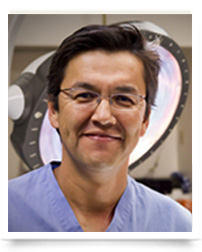
Medical Expert: Chris Malaisrie, MD, Cardiac Surgeon, Northwestern Medicine, Chicago, Illinois
Reviewed By: Adam Pick, Patient Advocate, Author & Website Founder
Published: December 4, 2025
Heart valve surgery is continually evolving with the advancement of technologies and newer techniques to improve patient outcomes. This is especially true in the realm of minimally-invasive heart valve surgery, which encompasses various methods, including transcatheter, endoscopic and robotic approaches. All three of these minimally-invasive surgical methods can mean less pain, fewer days in the hospital, and a faster overall recovery compared to a traditional sternotomy that requires opening the chest to access the heart. However, these methods are incredibly technical, challenging and require experienced surgeons and medical teams.
To learn more, we recently attended the Endoscopic Cardiac Surgeons Club (ECSC) Meeting, a continuing education and training event where cardiac surgeons collaborate, discuss heart valve disease, and share their learnings from minimally-invasive endoscopic cases. To gain a surgeon’s perspective on the ECSC Meeting and learn more about some of the latest innovations, HeartValveSurgery.com’s founder, Adam Pick, spoke with minimally-invasive expert and aortic valve specialist, Dr. Chris Malaisrie from Northwestern Medicine.
The Latest Innovations in Endoscopic Cardiac Surgery
Here are the key insights shared by Dr. Malaisrie:
- Why do you come to a meeting like this? “First of all, the Endoscopic Cardiac Surgeons Club is a European association,” said Dr. Malaisrie. “It’s the first time we’re seeing this club in the United States for endoscopic surgery, which falls in the realm of minimally-invasive cardiac surgery. I’m always surprised and inspired by the innovations that continue to progress in our field. I’ve been doing minimally invasive cardiac surgery for almost two decades, and I am coming here to learn about newer techniques that involve endoscopes and robotic surgery. I think it’s a really exciting time for minimally-invasive surgery.”
- Minimally-invasive surgery often results in a quicker recovery. “When patients have valve disease, we try to repair it, but occasionally we have to replace the valve. We’re always looking for ways to increase efficiency so we can implant the valve more quickly. Faster valve implants mean shorter operating times and quicker recovery for patients. We’re aiming for a two-week recovery after minimally invasive cardiac surgery. “
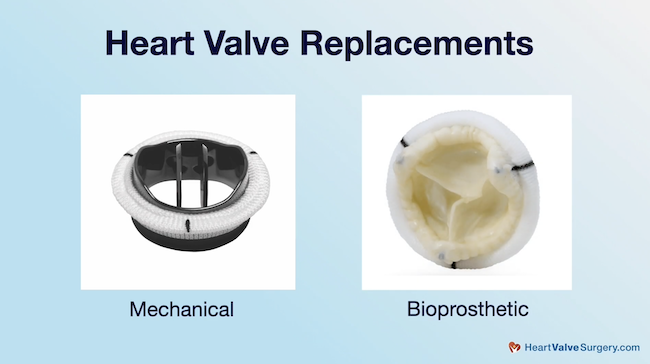
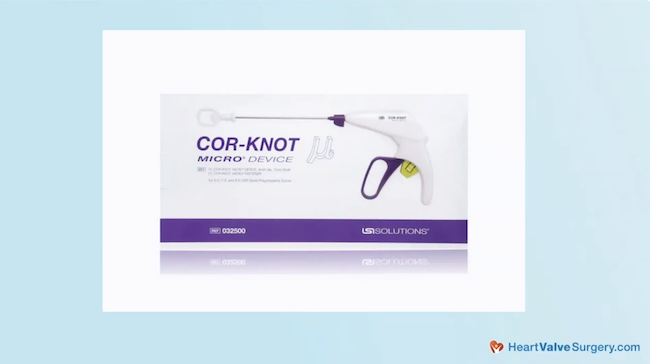
- Can you discuss what you will be sharing about your own experiences in the operating room with less-suture techniques and what that entails? “I’ll highlight a couple of things we’re talking about regarding sutureless or less suturing of the aortic valve,” said Dr. Malaisrie. “The first is auto-knotters. We can tie knots either by hand or with a specific device. One device on the market, manufactured by LSI Solutions and called the Cor-Knot, can reduce the implant time for valve replacements. The second aspect of this technique is the method of valve implantation. There is another class of valves called sutureless valves or rapid deployment valves. The two companies that make them are Edwards and Corcym. Edwards makes the Intuity Valve, and Corcym makes the Perceval Valve. These valves can be implanted without the usual 10-12 sutures. Instead, they can be implanted with no sutures at all. They’re anchored by radial force and function very well after five years of data.”
- What do you think is most important for patients to know about minimally-invasive techniques? “I think we can get the best of both worlds with minimally-invasive heart surgery. On the one hand, it involves open-heart surgery; yet, we can offer patients a minimally-invasive option, providing them with the best of both worlds through procedures like TAVR, MitraClip, or Transcatheter Edge-to-Edge Repair (TEER). They can have a quick recovery, typically lasting about three to five days in the hospital, and return to normal activity within about two weeks.”
Thanks Dr. Malaisrie and Northwestern Medicine!
On behalf of all the patients in our community, thank you, Dr. Chris Malaisrie, for everything you and your team are doing at Northwestern Medicine in Chicago, Illinois!
Related links:
- Surgeon Spotlight: Chris Malaisrie
- See 75+ Patient Reviews for Dr. Chris Malaisrie
- Explore Northwestern Medicine’s Heart Valve Microsite
Keep on tickin,
Adam
P.S. For the deaf and hard-of-hearing members of our patient community, we have provided a written transcript of our interview with Dr. Malaisrie below.
Written by Adam Pick
- Patient & Website Founder
Video Transcript:
Adam Pick: Hi everybody. It’s Adam with heart valve surgery.com, and we are at the Endoscopic Cardiac Surgeon’s Club in Cincinnati. I’m thrilled to be joined by Dr. Chris Malaisrie, who is a minimally invasive expert and an aortic valve specialist at Northwestern Medicine in Chicago, Illinois.
Dr. Malaisrie, it is great to see you again and thanks for being with me. Yeah, great to see you again. We’re here at the Endoscopic Cardiac Surgeon’s Club, and there’s a lot of education, a lot of research happening here.
I’m curious to know, you are an expert at minimally invasive techniques. Why do you come to a meeting like this?
Dr. Chris Malaisrie: Well, first of all, the Endoscopic Cardiac Surgeons Club is a European association. It’s the first time we’re seeing this club in the United States For endoscopic surgery, this falls in the realm of minimally invasive cardiac surgery, and I’m always surprised and inspired by the innovations that keep progressing through our field.
So I’ve been doing minimally invasive cardiac surgery for almost two decades, and I myself am coming here to learn about newer techniques that involve endoscopes and robotic surgery. I think it’s a really exciting time for minimal invasive heart surgery.
Adam Pick: You’re going be learning, but you’re also going be sharing a little bit about your experiences in the operating room with less-suture techniques. Can you share for the patients what that means?
Dr. Chris Malaisrie: When patients have valve disease, we try to repair it, but occasionally we’re going to have to replace the valves. We’re always looking at ways to increase efficiency so we can implant the valve faster. Faster valve implants means shorter operating times, quicker recovery for the patients. We’re aiming for two weeks recovery after minimally invasive cardiac surgery. I’ll highlight a couple things that were talking about regarding sutureless or less suturing of the aortic valve.
One is auto-knotters. We can tie knots with either the hand or a specific device. There’s one device on the market made by a company called LSI Solutions called the Core Knot, which, quickens the implant time for valve replacements. The second thing is the way the valve is implanted itself, there’s another class of valves called sutureless valves or rapid deployment valves.
The two companies that make that are Edwards and Corcym – the Intuity valve and the Perceval And these valves can be implanted without all the sutures, typically about 10 to 12 sutures. These valves can be implanted with no sutures at all. They’re anchored by radial force. They function very well after five plus years of data.
Adam Pick: Great. What do you think is most important for patients to know about minimally invasive techniques?
Dr. Chris Malaisrie: I think we can get best of both worlds with minimally invasive heart surgery. On the one hand, it is open heart surgery. but yet give the patient a minimally invasive option. Patients are always looking for options like TAVR or MitraClip, or TEER as we call it, and it is the combination of the best of both worlds.
Patients can have a quick recovery, maybe about three or five days in the hospital and normal activity in about two weeks.
Adam Pick: On behalf of the physicians here who are going to be learning about your experience with endoscopic techniques and of course for the patients on behalf of all them, thanks for everything that you and your team are doing at Northwestern Medicine in Chicago, Illinois. Thanks for being with me today.
Dr. Chris Malaisrie: Thank you very much.