Transcatheter Aortic Valve Implantation (TAVI)

By Adam Pick, Patient & Author of "The Patient's Guide To Heart Valve Surgery"

Transcatheter Aortic Valve Implantation Offers New Hope to "High-Risk" Patients With Severe Stenosis

There is new hope for patients suffering from aortic stenosis, a narrowing of the aortic valve, that can have serious and ultimately fatal consequences. A new procedure, called transcatheter aortic valve implantation (TAVI), shows promise in currently ongoing clinical trials. Because the procedure is much less invasive than traditional open heart aortic valve replacement, it offers hope to those patients who are not candidates for surgery. In addition, data from the trials suggest that this procedure might also be a real option for patients who qualify for open heart surgery but who are considered high risk surgical candidates. Because the aortic valve is crucial to heart function and ultimately to maintaining life, this procedure offers hope to patients who would otherwise have none.

Aortic Stenosis

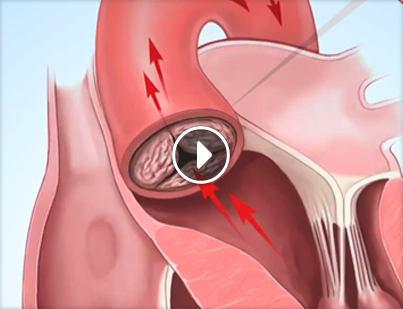
Narrowing, or stenosis, of the aortic valve of the heart can be caused by a congenital heart defect, a history of rheumatic fever causing scar tissue to form on the valve or mineralization of the valve. In older individuals the most common reason for stenosis is the build up of the mineral calcium on the aortic valve. This causes the valve to stiffen, narrowing the passage through which blood can flow.


Because the aortic valve is the gateway through which oxygenated blood is pumped into the aorta and then into the rest of the body, if it is narrowed the left ventricle of the heart has to work harder to force blood through the smaller opening. With time, the constantly increasing demand on the heart muscle weakens the heart and causes it to be much less efficient. This can lead to chest pain, arrhythmia, heart failure and cardiac arrest.

Transcatheter Aortic Valve Implantation vs. Traditional Open Heart Surgery

Although the procedure for mild to moderate stenosis of the aortic valve includes drugs and monitoring, the only real cure is the repair or replacement of the aortic valve. Until recently the most effective means of doing this was to perform open heart surgery. In this procedure, a surgeon would open the chest and enter the heart to gain access to the damaged valve. The valve would then be repaired or replaced with a mechanical or tissue substitute.

As patients with severe aortic stenosis are often very sick or debilitated, the risks of open heart surgery are very great. Some patients are not even considered for surgery due to the high likelihood that they could not survive the procedure. For this reason, researchers have been developing minimally invasive techniques to replace the aortic valve. A method of percutaneous, meaning through the skin, aortic valve replacement is currently showing great promise.

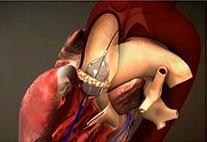
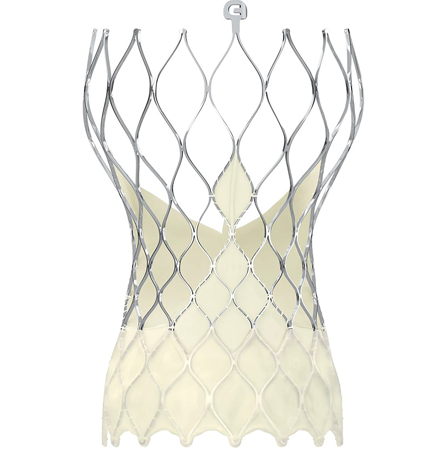
According to Joseph E. Bavaria, MD, a professor of Cardiovascular Surgery at the University of Pennsylvania, TAVI involves the percutaneous insertion of a catheter containing a replacement valve at a site in the groin or the left chest. The new valve is pushed into the correct site where the surgeon expands it and pushes the old one aside. The procedure requires no need to open the chest or to put the patient on a heart and lung machine, so it can be performed on those who cannot have open heart surgery.

Findings from the Clinical Trials

Transcatheter aortic valve replacement is currently being performed in Europe, and it is in clinical trials at approximately 20-40 sites in the United States. The current trials are studying how the procedure compares to traditional medical management for patients too sick to undergo surgery and how it compares to open heart surgery for high risk surgical candidates. The results show that the procedure is superior to medical management for those who are not viable surgical candidates.

Even more importantly, results presented at the 2011 American College of Cardiology Scientific Sessions for the PARTNER trial (which examines the Edwards SAPIEN transcatheter valve) suggest that the results of open heart surgery are not significantly better than those obtained by using the less invasive method. It is, however, worthwhile to note that the risk of vascular complications, including strokes, is higher for those undergoing TAVI than for those who have surgery. By contrast, the risk of bleeding is more than twice as high for those undergoing surgery than for those receiving the transcatheter treatment. The risks and benefits of each procedure need to be weighed by patients and doctors before choosing a treatment course.

The Future of Transcatheter Aortic Valve Implantation

Although the procedure is only in an "investigational" phase in the United States, the results of the trials offer a positive outlook for the future. One of the researchers from the clinical trial, Howard C. Herrmann, predicts that as doctors gain experience with transcatheter aortic valve replacement and advances in technology occur, outcomes for patients will only improve. The ability to treat problems inside the heart without surgery may be able to save people who would otherwise have no real options.

To learn more about heart valve disease treatment using transcatheter aortic valve implantation (TAVI), please click here.


Valve Surgeon Spotlight


Valve Surgeon Spotlight


Dr. Alfredo Trento
Over 4,000 Heart Valve
Procedures Complete

Featured Patient


Kenny Thomas


Kenny Thomas
Mitral Valve Prolapse/Regurgitation