Is the Tricuspid Valve Still the “Forgotten Valve” in 2026?
Written By: Allison DeMajistre, BSN, RN, CCRN
Medical Expert: Aakriti Gupta, MD, Interventional Cardiologist, Cedars-Sinai Medical Center, Los Angeles
Reviewed By: Adam Pick, Patient Advocate, Author & Website Founder
Published: February 2, 2026
The debilitating symptoms of tricuspid valve regurgitation significantly impact millions of adults each year. Yet, compared to the attention given to the aortic and mitral valves, the tricuspid valve has historically been an afterthought, with little effort devoted to fixing it because of surgical complications. Instead, most cardiologists and surgeons chose medical management to relieve symptoms rather than repair or replacement, hence it has long been known as the “Forgotten Valve.”
The good news is that transcatheter interventions may give tricuspid valve patients a unique minimally-invasive option for treatment. In a recent interview at Cedars-Sinai Medical Center in Los Angeles, Adam Pick spoke with Dr. Aakriti Gupta, a leading interventional cardiologist specializing in minimally invasive heart valve therapies using small catheters rather than open-heart surgery.
Tricuspid Valve Disease Innovation
Here are the key insights shared by Dr. Gupta:
- Is the tricuspid valve still considered the “Forgotten Valve?” Dr. Gupta said, “It’s a great question, and I would say in 2026, it’s no longer the forgotten valve. One of the reasons it was forgotten was because the only available option for treatment was open-heart surgery.”
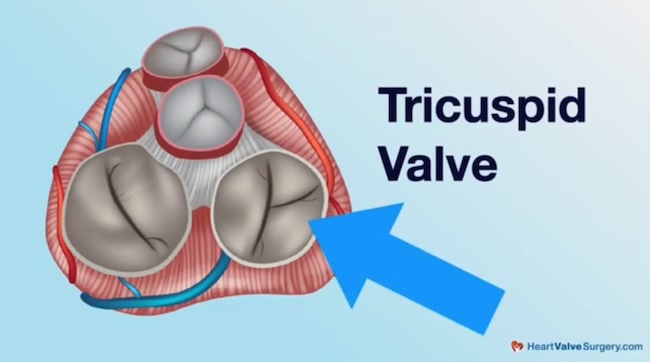
- Why surgery may not be the best option for many patients with tricuspid valve disease. “Patients who have tricuspid valve regurgitation as their primary valve problem are often old and frail and not excellent surgical candidates,” said Dr. Gupta. “They also have poor heart function, and surgeons are not thrilled about taking them to surgery.” Dr. Gupta explained that because patients were often not considered good surgical candidates, their tricuspid valve regurgitation was often poorly diagnosed, untreated, and would just go by the wayside.
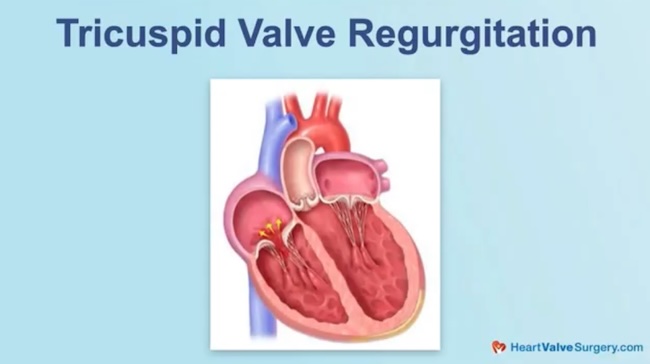
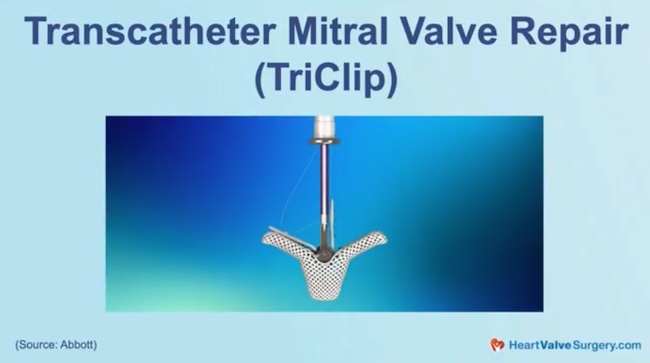
- Catheter-based treatments can be a “game-changer” for patients with tricuspid valve disease. “The revolution we have seen in catheter-based valve treatment over the past couple of decades has made it possible to treat the tricuspid valve in a transcatheter fashion with just a catheter through a vein in the groin instead of open-heart surgery.” Dr. Gupta explained that there are now two FDA-approved catheter-based treatments. “One option is transcatheter tricuspid valve replacement with the EVOQUE device. There’s another called transcatheter valve repair, which is the TriClip device.”
- How to determine which patients will benefit from these catheter-based treatments. “We often have a screening process where we do detailed imaging of the valve and can see whether a patient is a good candidate. Based on the imaging from an echocardiogram and a CT scan, we can determine the best treatment options.” Dr. Gupta went on to explain that, since it is minimally invasive, there is less risk than with open-heart surgery, and most patients go home the day after the procedure.
- Fixing tricuspid valve regurgitation results in symptom relief. “After reducing the leakage in the tricuspid valve, patients often come to our clinic a few months later and say they breathe better, walk better, and have less leg swelling.” Dr. Gupta also said they see favorable heart remodeling and improvements in patients’ kidney and liver function. She explained that while they haven’t seen an impact on longevity, survival, or even heart failure hospitalization rates, patients who’ve had these transcatheter interventions to relieve tricuspid regurgitation feel better. “That is what the TRISCEND II Trial showed, and that led to the FDA approval of this device.”
Thanks Dr. Gupta and Cedars-Sinai Medical Center!
On behalf of all the patients in our community, thank you, Dr Aakriti Gupta, for everything you and your team are doing at Cedars-Sinai Medical Center in Los Angeles, California!
Related links:
- Find out more at Dr. Aakriti Gupta’s Interactive Surgeon Profile
- Ask Dr. Gupta: What About TAVR for Aortic Regurgitation?
Keep on tickin,
Adam
P.S. For the deaf and hard-of-hearing members of our patient community, we have provided a written transcript of our interview with Dr. Gupta below.
Written by Adam Pick
- Patient & Website Founder

Video Transcript:
Adam Pick: Hi everybody, it’s Adam with HeartValveSurgery.com. We are at Cedars-Sinai Medical Center in Los Angeles, California. I’m thrilled to be joined by Dr. Aakriti Gupta who is a leading interventional cardiologist that specializes in minimally invasive heart valve therapies which use small catheters instead of open-heart surgery. Dr. Gupta, it is great to see you again and thanks for being with me today.
Dr. Gupta: Thank you, Adam. It’s a pleasure.
Adam Pick: You and I were just talking about all the interesting work that you’re doing with aortic valves and mitral valves and pulmonary valves, but it’s 2026. A question I have for you is all about the tricuspid valve, which in the past has been known as the “forgotten valve”. Would you say it is still a forgotten valve?
Dr. Gupta: That’s a great question. Adam and I, I would say in 2026, it’s no longer the forgotten valve. One of the reasons it used to be forgotten was because really the only available treatment option was surgical treatment with open heart surgery, and often patients who have tricuspid valve regurgitation as the primary valve problem.
They’re often old and frail and not excellent surgical candidates. They also have poor function of the heart such that they don’t do well with surgery, and surgeons are not thrilled to take them to surgery. And as such, it was not diagnosed well, it wasn’t treated, and it would just go by the wayside. But, with this revolution in catheter-based valve treatment that we have seen in the past couple decades, we are now able to treat the tricuspid valve in a transcatheter fashion just with a catheter in your vein, in the groin, without open heart surgery, there are two FDA approved options.
One is called transcatheter tricuspid valve replacement, which is with the EVOQUE device. And there’s another called transcatheter tricuspid valve repair which is the TriClip device. How do we decide which patients are going to benefit from these? We often have a screening process where we will do detailed imaging of the valve and obviously we see the patient whether they’re good candidates or not. Based on the imaging, which is often with an echocardiogram and a CT scan, we are able to determine what the best treatment option would be. And because it is minimally invasive and most likely you go home the next day — even if you’re old and frail. You don’t have the same kind of risk that you have with open heart surgery.
But you will probably benefit from reducing that leakage in the tricuspid valve. And we often find our patients come to our clinic a few months later and they’re saying they can breathe much better. They can walk much better. Their legs are not swelling as much. So we are seeing even improvement in their end organ function — like kidneys and liver — are functioning better, even the heart remodels in a favorable fashion.
We have seen enough positive effects. We don’t see an impact on longevity, so it will not necessarily increase your longevity or survival. Or, even the heart failure hospitalization rate may or may not change, but we know that patients feel better. That’s what the TRISCEND II trial showed, and that led to the FDA approval of this device.
Adam Pick: Great. Well, I can’t thank you enough on behalf of all the patients heartvalvesurgery.com, thanks to you, Dr. Gupta, and the team here at Cedars for the research and the innovations to make the tricuspid valve, which a lot of patients in our community have not forgotten any more. Thanks for being with me today.
Dr. Gupta: Thank you, Adam.