Coumadin Therapy After Mechanical Valve Replacement Surgery
Written By: Adam Pick, Patient Adovcate, Author & Website Founder
Page Last Updated: May 9, 2025
If you suffer from severe valve disease, including aortic stenosis or mitral regurgitation, you may be required to select a heart valve replacement if your valve can not be repaired. I personally remember researching this topic prior to my aortic valve replacement.
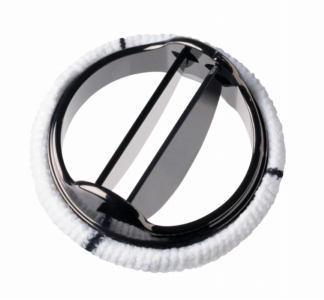
Your choices are a mechanical heart valve replacement or a tissue heart valve replacement. For those patients interestesed in mechanical heart valves, I encourage you to consider the following information about Coumadin, an anticoagulant drug therapy currently prescribed for all patients with mechanical valve replacements.
What Is Coumadin?
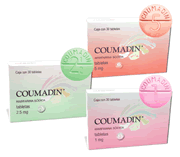
Coumadin is the brand name for the anticoagulant (blood thinner) drug, warfarin. Coumadin therapy is used to reduce the risk of blood clots, particularly among patients who receive an artificial heart valve. To understand why a mechanical heart valve can increase a patient’s risk of clotting, it may be helpful to understand how the heart works.
The heart is essentially a four-chambered pump. The atria are the two chambers on top, and the ventricles are the two chambers on bottom. The atria receive blood and the ventricles pump it out. Four valves in the heart -- the mitral, tricuspid, aortic and pulmonary valves -- keep blood moving in the direction it should flow. The valves open to allow blood to pass and then close to prevent the blood from flowing backwards. When a valve fails to function properly, the patient may need to undergo heart valve replacement surgery.
How Does Coumadin Protect Against Blood Clots?
No matter how well designed a mechanical heart valve replacement may be, the body still realizes that it is a foreign object. The surface of the valve is not as smooth as the natural valve, nor is it able to keep itself as clean. According to reports, plaque is more likely to accumulate on and around a mechanical valve as well. The result can be a blood clot that may break free and travel to the brain, heart or lungs causing complications including stroke. Because the risk will never lessen, recipients of mechanical heart valves must take an anticoagulant (e.g. Coumadin) for the rest of their lives.
Are There Any Side Effects Of Coumadin?
Coumadin carries certain potential side effects and interactions that patients should discuss with their physicians prior to and while taking the medications.
- Women who are pregnant or who may become pregnant should avoid the medication. Some studies have shown that the drug can cause the fetus to develop abnormally, regardless of the trimester. The risks, however, are minimal when the mother uses the drug while breastfeeding.
- Certain medical conditions may make Coumadin therapy undesirable. Patients should advise their physicians if they have a history of bleeding ulcers, high blood pressure, diabetes, kidney or liver disease, stroke or alcohol abuse.
- Patients who take tamoxifen are advised to avoid Coumadin. And, it is not recommended for patients taking warfarin to take aspirin, celecoxib, clopidogrel, duloxetine or fluoxetine, but in some cases, the physician may decide the benefits justify the risks. Other drugs the doctor may elect to change for patients receiving warfarin include ketoprofen, levofloxacin, metronidazole, oxandrolone, paroxetine, ropinirole, simvastin, sulfamethoxazole and vindesine. Doctors often advise warfarin patients to avoid influenza vaccinations as well.
- Reports suggest that numerous over-the-counter medications and supplements pose risks for patients taking Coumadin, and patients should consult their physicians before taking them. These include naproxen, chamomile, fish oil, garlic, ginkgo, papaya, bee pollen, black tea, chondroitin, coenzyme Q10, ginger, ginseng, glucosamine, melatonin soy protein, vitamins A and E, Dong Quai and St. John’s wort.
Interestingly, certain foods, including pomegranates, cranberry juice and foods high in protein or vitamin K can interact with Coumadin Patients should discuss their dietary restrictions with their physicians. In some cases, the doctor may limit the intake of such foods or instruct the patient to avoid them around the time they need to take their warfarin.
How Is Coumadin Therapy Managed During The Patient's Life?
The physician may need to adjust a patient’s dosage multiple times to find what is optimal for the individual. While each patient’s dosage must be tailored to his needs, most adults begin with 2 to 5 milligrams daily. If needed, the physician may be adjusted upward to a maximum of 10 milligrams daily. Patients should take the medication exactly as prescribed and should consult their physicians before altering the dose or discontinuing the medication.
Patients taking anticoagulants, such as Coumadin, should be monitored closely and receive frequent tests to check how well their blood is clotting. Today, there are are numerous home-testing devices which make this process much more convenient.
The international normalized ratio, or INR, is a system used to report the ability of the blood to clot. As part of establishing the clotting time, thromboplastin and calcium are added to the patient’s plasma and the prothrombin time, or PT, is measured. Since the test is standardized, a patient receiving Coumadin therapy should receive comparable results, regardless of where the test is conducted. Optimum PT for a patient taking anticoagulants is between 2 and 3 INR.
- If the PT level is less than the therapeutic range, the blood may clot too quickly. This would increase the chance of blood clots forming on your mechanical valve. If this happens, there is a risk that your valve will not work correctly. There is also a possibility that small clots will break off and cause a stroke.
- If the PT level is greater than the therapeutic range, the blood will take too long to clot. This will increase the chance of unusual bleeding. Contact sports or activities, such as skiing, that risk blunt trauma, can be dangerous.
It is very important to keep a regular record of your Coumadin dose and your Coumadin blood tests. You may be given a Coumadin therapy worksheet if you select a mechanical valve. On this worksheet, you should write down the time and amount of each Coumadin dose and you should also write down the result of each PT test.
You May Also Like
To learn more about Coumadin and mechanical valve replacements, you may like these aritcles, videos and patient success stories:
Written by Adam Pick
- Patient & Website Founder