

Seal Heart Valve Replacements... Really?
I'll never forget when I learned my options for a heart valve replacement.
Dr. Trento, the first surgeon I interviewed, briefly discussed the pros and cons of pig valves, cow valves, human donor valves (homografts) and mechanical valves with me. While I immediately understood the use of mechanical valves and homografts for aortic valve replacement, it took me some time to truly understand how pigs and cows provided a suitable alternative for a human heart valve.
Now, however, I am fully aware of the benefits that pig valves (aka porcine valves) and cow valves (aka bovine valves) offer patients requiring heart valve replacement surgery.

That said, I was somewhat surprised to learn that patients might have another biological option to consider in the future. According to a recent report in the Canadian Medical Journal (CMJA), researchers in Quebec will soon begin testing heart valves from harp seals to determine if they are suitable for use in humans.
This news was met with animal rights protests in Madrid, Spain. Protestors suggested that testing was "unnecessary and will serve only as a government propaganda tool to promote Canada's sealing industry, which received a major blow on May 5th when Europe banned imports of seal products."

Alternatively, the Canadian federal government projects that "a commercial seal valve market could generate substantial revenue for Canada, but heart valve experts involved in the project say the research could lead to more than just financial gain. If their theory is proven true — if seal valves do offer significant advantages over existing bioprosthetic valves — the research could result in prolonged and improved lives for sufferers of heart valve disease."
Philippe Pibarot, the Canadadian research chair in valvular heart diseases, noted, "I'm optimistic that seal valves could be superior to bovine or porcine valves... The anatomy and structure of seal valves are different. Their valves are thicker with more elastic fibers. They have a more robust structure because they are designed by Mother Nature to survive harsher conditions."
On one hand, that logic does make sense. On the other hand, it is going to take many, many, many years to clinically determine the safety and efficacy of seal valves as a surgical remedy for valvular diseases including aortic stenosis and mitral regurgitation. According to the same report, seal implantation into the human heart is still 8 to 10 years away.
So, for now, patient options for valve replacement remain a pig valve, a cow valve, a human donor valve and a mechanical valve.
Keep on tickin!
Adam
Written by Adam Pick
Patient & Website Founder

Written by Adam Pick - Patient & Website Founder
Adam Pick is a heart valve patient and author of The Patient's Guide To Heart Valve Surgery. In 2006, Adam founded HeartValveSurgery.com to educate and empower patients. This award-winning website has helped over 10 million people fight heart valve disease. Adam has been featured by the American Heart Association and Medical News Today.
Comments





Adam's Newest Blogs


New Community Posts
Blog Categories
- Adam's Updates
- Aneurysms
- Aortic Stenosis
- Aortic Valve Repair
- Aortic Valve Replacement
- Atrial Fibrillation
- Before Surgery
- Bicuspid Aortic Valve
- Heart Valve Replacement
- Medical Technology
- Mitral Regurgitation
- Mitral Valve Repair
- Patient Stories
- Pulmonary Valve
- Recovery
- Ross Procedure
- Surgeons & Hospitals
- Tricuspid Valve
Blog Categories
- Adam's Updates
- Aneurysms
- Aortic Stenosis
- Aortic Valve Repair
- Aortic Valve Replacement
- Atrial Fibrillation
- Before Surgery
- Bicuspid Aortic Valve
- Heart Valve Replacement
- Medical Technology
- Mitral Regurgitation
- Mitral Valve Repair
- Patient Stories
- Pulmonary Valve
- Recovery
- Ross Procedure
- Surgeons & Hospitals
- Tricuspid Valve
Blog Categories
- Adam's Updates
- Aneurysms
- Aortic Stenosis
- Aortic Valve Repair
- Aortic Valve Replacement
- Atrial Fibrillation
- Before Surgery
- Bicuspid Aortic Valve
- Heart Valve Replacement
- Medical Technology
- Mitral Regurgitation
- Mitral Valve Repair
- Patient Stories
- Pulmonary Valve
- Recovery
- Ross Procedure
- Surgeons & Hospitals
- Tricuspid Valve
Heart Hospital Map

Search for heart hospitals that specialize in heart valve treatment.
Surgeon Spotlight

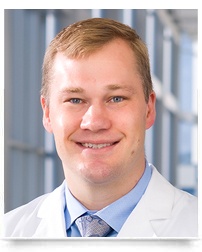
Dr. Christopher Heid is a leading cardiac surgeon at UT Southwestern in Dallas, Texas who specializes in heart valve repair and replacement operations.
New Posts From Our Community

Christopher Hankerson from
Arlington, TX
No date yet, just a timeframe.. within 3 months. Blood platelet...
Meet Christopher
Andrew Dial from
Puyallup, Wa
Today marks my 4th Heart Anniversary. 6/15/22 I recieved my Ross...
Meet Andrew
Newest Community Post
Christopher Hankerson from
Arlington, TX
No date yet, just a timeframe.. within 3 months. Blood platelet...
Meet Christopher
Find Heart Valve Surgeons
Search 1,500 patient-recommended surgeons
Heart Hospital Map
Search for heart hospitals that specialize in heart valve treatment.
Surgeon Spotlight
Dr. Christopher Heid is a leading cardiac surgeon at UT Southwestern in Dallas, Texas who specializes in heart valve repair and replacement operations.