
Technology Update: SAPIEN Heart Valve Replacement Trial Impresses Many (Part I)
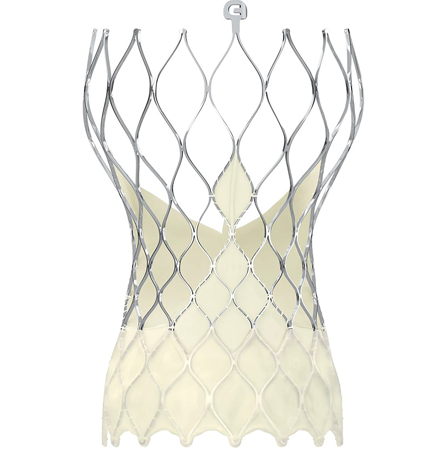
September 29th, 2010In case you missed it… Last week, The New England Journal of Medicine published results from the PARTNER Trial, a unique study that examines the safety and efficacy of the new, transcatheter SAPIEN heart valve replacement. Manufactured by Edwards Lifesciences, this investigational device is designed to treat aortic stenosis by replacing the patient’s aortic valve through a catheter — without causing any trauma to the patient’s sternum or ribs.

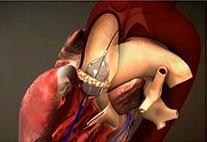
Edwards Sapien Heart Valve Replacement
Needless to say, the medical community, the investment community and our patient community have been anxiously awaiting results of this study for the SAPIEN device — which has yet to receive FDA approval in the United States.
The trial studied 358 patients with severe, symptomatic aortic stenosis that were deemed inoperable for traditional open heart surgery via median sternotomy. The average age of the patients was 83 years and 20 percent were over 90 years. The patients were randomized to receive either the Edwards SAPIEN valve or standard therapy. Select highlights of the study were:
- The SAPIEN valve kept 69 percent of the sickest patients alive after one year, compared with 49 percent who received standard care.
- The rate of repeat hospitalization was 5.6 percent at 30 days and 22.3 percent at one year in the TAVI arm, compared with 10.1 percent at 30 days and 44.1 percent at one year in the standard therapy group.
- After 30 days, 5 percent of patients who received the Edwards SAPIEN valve had strokes, compared with 1.1 percent on standard therapy.
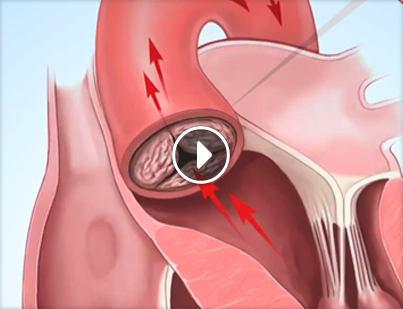
Immediately following the publication of these findings, the news wires came alive with analysis and opinion about the study. As you can see in this video, many physicians in the medical field — like Dr. O’Neil – were inspired by the possibilities for this next-generation, valve replacement technology.
“Our experience with the valve has been quite favorable, even dramatic,” said William Fearon, a cardiologist at Stanford University Medical Center near Palo Alto, California. “I’ve seen patients before surgery who could barely get from the waiting room to the exam table without getting short of breath. I’d see them a month later and they could walk down the hallway without any shortness of breath.”
Interestingly, Wall Street investors cheered the announcement as Edwards Lifesciences stock soared 12.4% to set an all-time high.
However, others in the health care field, raised appropriate concerns about the risks of the procedure including stroke.

Dr. Clyde Yancy, President of The A.H.A.
“It is absolutely a promising therapy, but it should be deployed in patients who are reasonable candidates and who truly understand the potential risk,” said Clyde Yancy, president of the American Heart Association and medical director of the Baylor Heart & Vascular Institute in Dallas. “This is medicine that’s being practiced right on the edge. Patients need to be aware of the situation.”
To further evaluate the Edwards SAPIEN valve replacement study, I have asked several physicians — both cardiologists and heart surgeons — to offer their thoughts about the PARTNER trial. That said… Stay tuned! I expect to publish Part II of this story in the next few days.
Keep on tickin!

![]() |
| About The Author: Adam Pick is a double, heart valve surgery patient and author of The Patient's Guide To Heart Valve Surgery. This unique book integrates clinical research with the personal experiences of 135 former patients to help future patients and their caregivers better understand the problems, the opportunities and the realities of heart valve surgery. To learn more about Adam and his heart valve surgery book, click here. |
![]() |