
Best Piece Of Advice... Watch Out For That First Sneeze!!!
Page Last Updated: August 5, 2025
One of the most common questions I receive is, "What is the best piece of advice for heart valve surgery patients preparing for their recovery from heart valve replacement or heart valve repair?"
It's a great question. Unfortunately, there is no one distinct answer. I think that is the reason I wrote my book. There are lots and lots of pieces of advice that patients and their caregivers should know. In fact, I even have a new chapter in the revised edition of the book titled, "The Best Piece Of Advice", to help answer that question.

I was so curious to know how other patients would answer that question, I included it in the recent Heart Valve Surgery Patient Survey. Needless to say there are some very interesting "pieces of advice" that other patients provided in the study.
That said, here is one piece of advice to consider... WATCH OUT FOR THAT FIRST SNEEZE AFTER HEART SURGERY!!!
Yep. A sneeze... Here's why!!!
If you want me to, I could share lots of advice about cardiac depression, pain medication issues, mismanaged expectations, poor doctor / surgeon communication, etc. However, that stuff is all too heavy. To learn more, click here.

Regis Philbin Comments On Heart Surgery
Instead, I'll echo with what Regis Philbin had to say about the early recovery from heart surgery, "That first sneeze can be a bitch!"
I'll never forget my first sneeze. I was sitting at my desk two weeks post-operation. My nose started to have that twinkling, itchy sensation. The next thing I knew my lungs pulsed, expanded and then released an explosion through my nose as my face contracted. My broken sternum, along with its sternal wires were agitated, and the pain that followed was... Not fun.
Now, I'm twenty-two months after surgery...
Guess what?
No more broken sternum! No more pain from sneezing!
Related Link:
Keep on tickin!
Adam
Written by Adam Pick
Patient & Website Founder

Written by Adam Pick - Patient & Website Founder
Adam Pick is a heart valve patient and author of The Patient's Guide To Heart Valve Surgery. In 2006, Adam founded HeartValveSurgery.com to educate and empower patients. This award-winning website has helped over 10 million people fight heart valve disease. Adam has been featured by the American Heart Association and Medical News Today.
Comments





Adam's Newest Blogs


New Community Posts
Blog Categories
- Adam's Updates
- Aneurysms
- Aortic Stenosis
- Aortic Valve Repair
- Aortic Valve Replacement
- Atrial Fibrillation
- Before Surgery
- Bicuspid Aortic Valve
- Heart Valve Replacement
- Medical Technology
- Mitral Regurgitation
- Mitral Valve Repair
- Patient Stories
- Pulmonary Valve
- Recovery
- Ross Procedure
- Surgeons & Hospitals
- Tricuspid Valve
Adam's Newest Blogs
Blog Categories
- Adam's Updates
- Aneurysms
- Aortic Stenosis
- Aortic Valve Repair
- Aortic Valve Replacement
- Atrial Fibrillation
- Before Surgery
- Bicuspid Aortic Valve
- Heart Valve Replacement
- Medical Technology
- Mitral Regurgitation
- Mitral Valve Repair
- Patient Stories
- Pulmonary Valve
- Recovery
- Ross Procedure
- Surgeons & Hospitals
- Tricuspid Valve
Blog Categories
- Adam's Updates
- Aneurysms
- Aortic Stenosis
- Aortic Valve Repair
- Aortic Valve Replacement
- Atrial Fibrillation
- Before Surgery
- Bicuspid Aortic Valve
- Heart Valve Replacement
- Medical Technology
- Mitral Regurgitation
- Mitral Valve Repair
- Patient Stories
- Pulmonary Valve
- Recovery
- Ross Procedure
- Surgeons & Hospitals
- Tricuspid Valve
Surgeon Spotlight

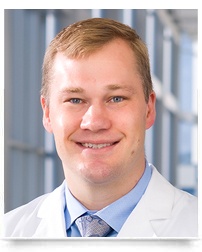
Dr. Christopher Heid is a leading cardiac surgeon at UT Southwestern in Dallas, Texas who specializes in heart valve repair and replacement operations.

New Posts From Our Community

Heather Leigh from
Brooklyn / Nyc
Hi all!! Surgery went well- robotics worked so it was just...
Meet Heather

Adam Pick from
Torrance, California
Hi there! As part of the new community update, all the...
Meet AdamNewest Community Post
Heather Leigh from
Brooklyn / Nyc
Hi all!! Surgery went well- robotics worked so it was just...
Meet Heather
Find Heart Valve Surgeons
Search 1,500 patient-recommended surgeons
Surgeon Spotlight
Dr. Christopher Heid is a leading cardiac surgeon at UT Southwestern in Dallas, Texas who specializes in heart valve repair and replacement operations.