
Risks and Concerns Arise For Edwards’ Sapien Valve
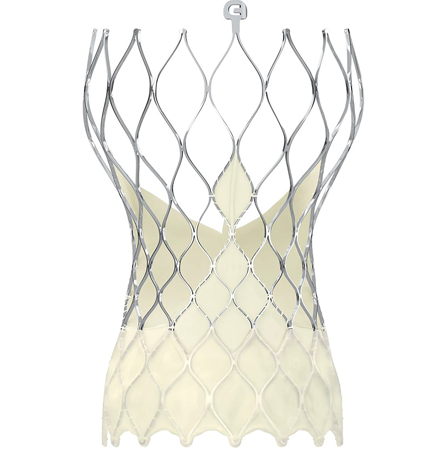
According to CNN, Edwards Lifesciences’ “Sapien” Replacement Valve has been viewed as a market-expanding product because there are many patients with failing heart valves who are simply too frail to endure traditional heart surgery.
However, it may be tough to prove in certain circumstances that Edwards’ Sapien valve is a better treatment option as some doctors have raised some issues and concerns regarding studies for the device. This news sent Edwards’ publicly traded stock down 10% following potential buy-out rumors.

The Sapien valve is seen as a key development for Edwards, which also makes traditional replacement heart valves made from pig and cow heart tissue. Edwards has raised guidance for Sapien in Europe this year due to solid early sales trends there, and is engaged in a large trial aimed at gathering evidence for an eventual United States application. Some have called these minimally invasive heart valves “the most compelling opportunity in the cardio device space.”
However, nearly a dozen cardiologists and cardiothoracic surgeons in Europe and the U.S. have raised concerns about potential risks for the new valve. One Wall Street analyst stated, “Our findings are on many fronts surprising and are likely to raise new questions about the role of transcatheter valves and the potential for Edwards’s Sapien valve should it reach the US market.”
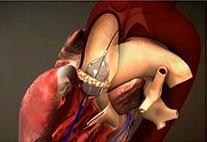
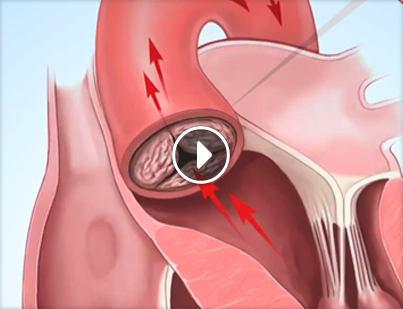
The Sapien valve is delivered via a catheter threaded through blood vessels. Edwards is studying different delivery approaches based on whether certain vessels are in good enough shape to handle the procedure.
Reports suggest there could be high mortality rates in ongoing European studies, particularly in patients getting an implant in the ” transapical” arm. There is also concern about whether a study section for inoperable patients is big enough to demonstrate superiority and overcome the fact that these patients are going to experience considerable underlying mortality due to other ailments.
This news, however, contradicts some earlier testimonials for Edwards’s Sapien valve. As I recently wrote, the story and video of Joseph Riley illustrates a very happy, 88 year-old man who recently participated in the Sapien clinical trials here in the United States.
Another input to consider is Vita Reed’s article in the Orange County Business Journal. Reed writes that not everyone agrees with the recent concerns and risk factors.
“We continue to believe the Sapien opportunity is the most compelling story in cardiovascular medical devices,” said Larry Biegelsen, an analyst with Wachovia Corp.
Edwards itself said the issues raised in recent reports “have already been addressed.” The company said it remains confident that Sapien “offers a significant benefit for patients who are not good candidates for traditional open-heart surgery.”
“In our conversation with physicians, enthusiasm for transcatheter valves remains high, and we believe transcatheter valves are a large market opportunity,” said Kristen Stewart, a medical supply and device analyst with Credit Suisse Group, in a client note.

In light of all the information about minimally invasive procedures, I believe time and data will be the key to best evaluating the benefit and/or risks associated with the Edwards Sapien valve. This belief is not new for significant, medical advances. Very rarely is a technical advance commercialized without error. And, very rarely is a technical advance immediately trusted by any industrial or consumer community.
That said, we should continue to learn more-and-more-and-more about the Edwards Sapien valve.
Keep on tickin!

Adam Pick is a double, heart valve surgery patient and author of The Patient’s Guide To Heart Valve Surgery, a unique book which integrates the clinical facts of heart valve surgery with the personal experiences of an actual heart valve surgery patient. To learn more about Adam and his heart valve surgery book, click here.
- Previous: Open Heart Surgery Scar For Women - Jenny’s Picture Request
- Next: Is Your Heart Surgeon Research Good Enough?