
Heart Palpitations... What Can You Do?
Page Last Updated: May 12, 2025
It was six months after my aortic and pulmonary valve replacements (known as the Ross Procedure). I was back at work sitting at my desk when....
All of a sudden, my heart felt like it was flip-flopping and beating upside-down in my chest. Literally, my heart started doing a foreign dance. It was one of the weirdest feelings.

Then, it was gone. My heart returned to its normal beat. Sixty seconds later, I was on the phone with Dawn, the nurse of my cardiologist, Ben Rosin at Torrance Memorial Hospital. Dawn was pragmatic. She asked me to describe the sensation.
After we chatted for a little bit, Dawn was convinced it was nothing serious. She told me to call her if the heart palpitations continued. She said, "As for heart palpitations, what you can do, there really is nothing right now unless it becomes very frequent. So you know Adam, most people have heart palpitations every once in a while - even if they did not have heart valve replacement surgery."
Guess what? Dawn was right.
In fact, Harvard Medical School just released an interesting story on heart palpitations in the Harvard Heart Letter. Here is a snippet from the story:
Palpitations—the sensation that the heart has started to race or pound, or feels like it has skipped a beat—are usually caused by a harmless hiccup in the heart's rhythm. Sometimes, though, palpitations reflect a problem in the heart or elsewhere in the body. Sorting out worrisome palpitations from harmless ones isn't always easy, reports the Harvard Heart Letter.
So you know, heart palpitations are extremely common. Different people experience them in different ways. You might feel as though your heart is fluttering, throbbing, flip-flopping, or pounding, or that it has missed a beat. Palpitations can appear out of the blue and disappear just as suddenly. Or they might be linked with certain activities, events, or feelings. Some of the most important pieces of information that can help your doctor in pinning them down is how palpitations feel, how often they strike, and when they occur.
Some palpitations result from premature contractions of the heart's chambers or malfunctions of a heart valve. But a patient physical exam and electrocardiogram often don't turn up any problems, which can be frustrating to the patient -- especially after surgery. If your palpitations aren't accompanied by dizziness or other symptoms and if you don't have a valve disorder or other structural problem with your heart, that usually means palpitations are benign.
The Harvard Heart Letter suggests that if you have unexplained palpitations, start with simple steps to help alleviate them. Cut back on caffeine, smoking, and alcohol; avoid over-the-counter decongestants, eat and drink regularly, get enough sleep, and find a way to relax if you are stressed. In some cases, your doctor may recommend medications or a procedure to correct errant electrical signals in the heart.
I hope this helps explain a little more about heart palpitations after surgery.
Related Links:
Keep on tickin!
Adam
Written by Adam Pick
Patient & Website Founder

Written by Adam Pick - Patient & Website Founder
Adam Pick is a heart valve patient and author of The Patient's Guide To Heart Valve Surgery. In 2006, Adam founded HeartValveSurgery.com to educate and empower patients. This award-winning website has helped over 10 million people fight heart valve disease. Adam has been featured by the American Heart Association and Medical News Today.
Comments





Adam's Newest Blogs


New Community Posts
Blog Categories
- Adam's Updates
- Aneurysms
- Aortic Stenosis
- Aortic Valve Repair
- Aortic Valve Replacement
- Atrial Fibrillation
- Before Surgery
- Bicuspid Aortic Valve
- Heart Valve Replacement
- Medical Technology
- Mitral Regurgitation
- Mitral Valve Repair
- Patient Stories
- Pulmonary Valve
- Recovery
- Ross Procedure
- Surgeons & Hospitals
- Tricuspid Valve
Adam's Newest Blogs
Blog Categories
- Adam's Updates
- Aneurysms
- Aortic Stenosis
- Aortic Valve Repair
- Aortic Valve Replacement
- Atrial Fibrillation
- Before Surgery
- Bicuspid Aortic Valve
- Heart Valve Replacement
- Medical Technology
- Mitral Regurgitation
- Mitral Valve Repair
- Patient Stories
- Pulmonary Valve
- Recovery
- Ross Procedure
- Surgeons & Hospitals
- Tricuspid Valve
Blog Categories
- Adam's Updates
- Aneurysms
- Aortic Stenosis
- Aortic Valve Repair
- Aortic Valve Replacement
- Atrial Fibrillation
- Before Surgery
- Bicuspid Aortic Valve
- Heart Valve Replacement
- Medical Technology
- Mitral Regurgitation
- Mitral Valve Repair
- Patient Stories
- Pulmonary Valve
- Recovery
- Ross Procedure
- Surgeons & Hospitals
- Tricuspid Valve
The Patient's Guide
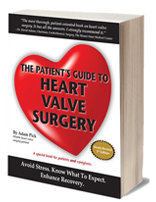
This book has helped over 47,000 patients and caregivers from diagnosis to recovery.
Surgeon Spotlight

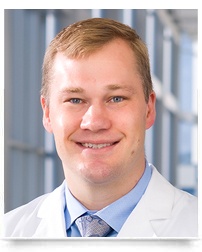
Dr. Christopher Heid is a leading cardiac surgeon at UT Southwestern in Dallas, Texas who specializes in heart valve repair and replacement operations.
New Posts From Our Community

Heather Leigh from
Brooklyn / Nyc
Hi all!! Surgery went well- robotics worked so it was just...
Meet Heather

Adam Pick from
Torrance, California
Hi there! As part of the new community update, all the...
Meet AdamNewest Community Post
Heather Leigh from
Brooklyn / Nyc
Hi all!! Surgery went well- robotics worked so it was just...
Meet Heather
Find Heart Valve Surgeons
Search 1,500 patient-recommended surgeons
The Patient's Guide
This book has helped over 47,000 patients and caregivers from diagnosis to recovery.
Surgeon Spotlight
Dr. Christopher Heid is a leading cardiac surgeon at UT Southwestern in Dallas, Texas who specializes in heart valve repair and replacement operations.