Stem Cells And Heart Valve Replacements
Blog Topics: Scientific Breakthrough; Patient Stem Cells; Replacement Heart Valves; Tissue Valves; Infection, Cardiac Surgery; Magdi Yacoub
Hey everybody,
When I learned that I needed a heart valve replacement, I was presented with a number of choices. One of those surgical options revolved around my valve replacement type.
There are pig valves (porcine), cow valves (bovine) and mechanical valves (prosthetic). There are several advantages and disadvantages for each of the valves referenced above.
Eventually, through a special aortic valve replacement procedure, known as the Ross Procedure, I was able to use my own valve. The only problem was that I had to use my pulmonary valve which was ultimately replaced by a homograft (a human donor valve).

However, according to recent reports about stem cells and heart valves, patients may be able to grow their own heart valve replacements in just six weeks!
The story…. Cardiac patients could have their own or donated cells engineered into heart valve or muscle replacements and implanted within six weeks from donation. This could be possible in as little as three to five years say top heart surgeons in the journal Philosophical Transactions of the Royal Society Biological Sciences published on Monday, September 3, 2007.
Professor Magdi Yacoub, the world’s leading heart surgeon and Professor of Cardiac Surgery at Imperial College, based at the Heart Science Centre at Harefield Hospital has compiled the progress of his team and researchers worldwide for a special edition of the journal entitled ‘Bioengineering the heart’.
Magdi Yacoub On Stem Cells And Heart Valve Replacement Research
Professor Yacoub said: “Currently people suffering from heart valve disease can be treated with artificial replacement valves they do the job and save people’s lives but they are far from perfect. Although there has been huge progress in developing mechanical replacements, they still work mechanically and not physiologically - they cannot match the elegant sophisticated functions of living tissues”.
The use of stem cells in cardiovascular tissue engineering has the potential to mend damaged valves or heart muscle, providing a ‘like for like’ match which would grow and repair in the same way as patient’s own heart tissue, unlike a donor valve or artificial mechanical valve.
“The ultimate goal is to produce off-the-shelf products which will not cause an immune response from patients. This should be possible in the next five to eight years. Using stem cells rather than animal heart valves will reduce the risk of serious human disease caused by rejection.”
The Future Of Stem Cells And Heart Valve Replacements
Currently, only limited heart valve replacements are available and all have the problem of durability. This latest research could potentially lead to an unlimited number of heart valves being readily available to treat the 80, 000 people worldwide who will need replacements by the year 2020.
Biological substitutes perform many additional sophisticated functions which can enhance heart muscle function, exercise capacity and quality of life. These could have important implications for the wellbeing and survival of the patient. In order to achieve this, researchers in developmental biology, stem cell biology, immunology and tissue engineering need to work closely together.
In 2005, over 15 million people died of cardiovascular disease it is one of the major causes of death and suffering in both the developed and developing countries and there is an urgent need for prevention and treatment.
I hope that helps explain about this incredible medical advance about stem cells and heart valve replacements.
Keep on tickin,
Adam
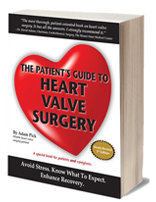
Adam Pick is the author of The Patient’s Guide To Heart Valve Surgery, a unique book which integrates the clinical facts of heart valve surgery with the personal experiences of an actual heart valve surgery patient. This special book was designed to minimize patient and caregiver stress and enhance the patient’s recovery. To learn more about Adam’s heart valve surgery book, click here.


September 17th, 2007 at 11:53 pm
[…] Learn more about Stem Cells And Heart Valve Replacements here. […]
January 1st, 2009 at 10:20 pm
In January ‘89, I received a St. Jude prosthetic aortic valve. Coincidentally, I had been a CV surgical assistant (prior to the procedure) to the surgeon who did my case, Robert Richardson, M.D. at Methodist Hospital in Memphis, Tennessee. Obviously, I am very interested in Stem Cell research and how I could replace my current valve with one composed of my own tissue. I look forward to hearing more about this research and the potential it has. -Rick Pruett, Sugar Hill, GA